 Ita
Ita
 Eng
Eng

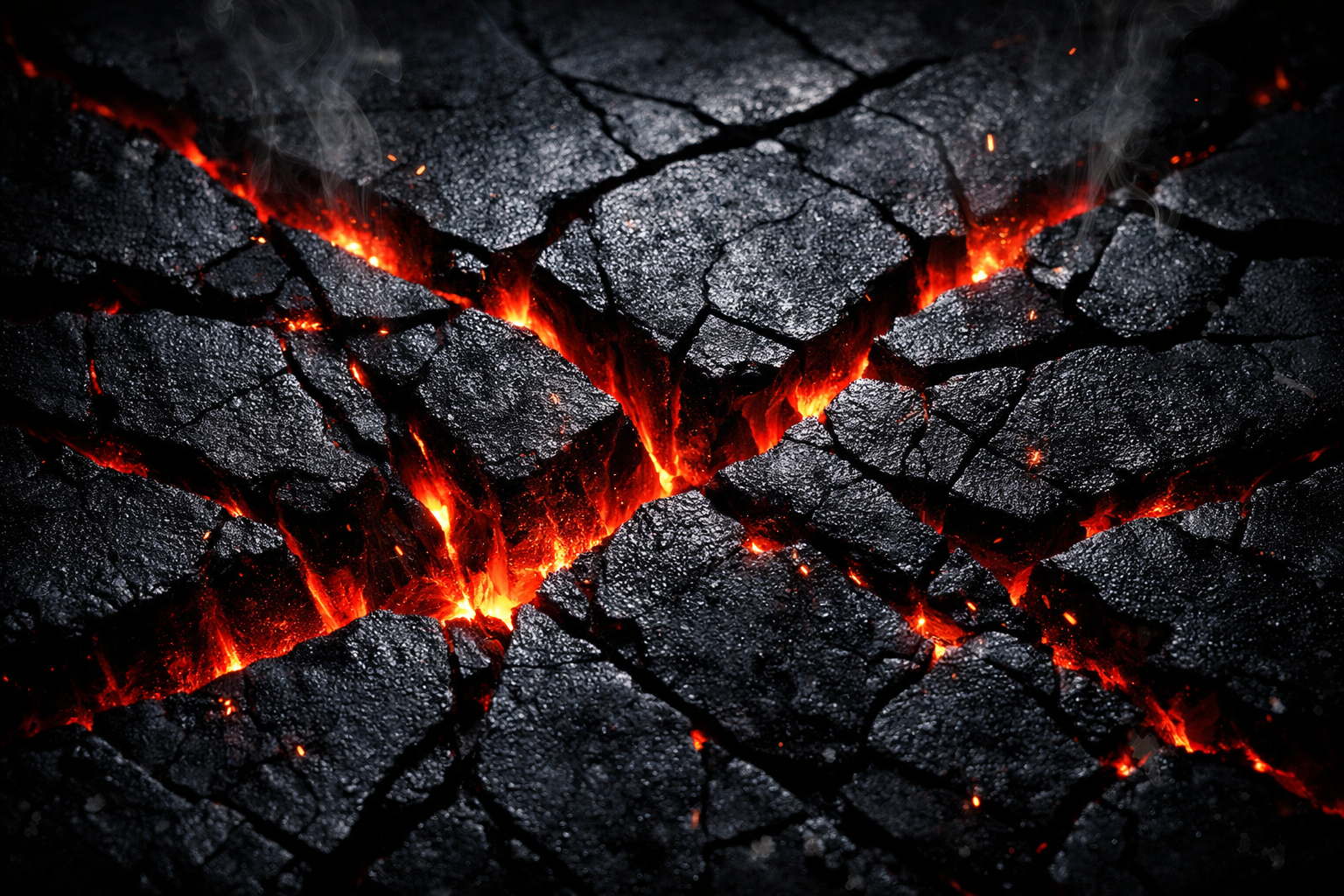
Anger Is Not the Problem: It Is a Message Asking to Be Heard
Anger is one of those emotions we all claim not to feel. When we are calm, when life is flowing and nothing is pressing against us, we are certain there is no anger inside us. It feels distant, foreign, almost impossible.
And yet it does not disappear.
It remains—quiet, sleeping, like a seed beneath the winter soil.
Then all it takes is a gesture, a phone call, a familiar tone of voice… and that anger rises again, suddenly. Not as a new emotion, but as something we recognise.
We are not truly angry only about what has just happened. We are becoming angry again, in the wake of something that happened a long time ago.
Whenever we live through an experience charged with anger—a wound, an injustice, a betrayal, a painful absence—our body and our memory lay down a track: an invisible connection between what happened and everything that resembles it.
That is why our anger can sometimes be greater than the present moment. We are not responding only to today, but also to what happened yesterday.
Anger does not erupt from nowhere.
Something calls it.
And it answers.
Many of us grew up hearing a clear message: “Don’t be angry.” “Anger is ugly.” “Good people don’t get angry.”
So anger became something to hide, smother or deny—a stain we must not let anyone see.
And when we suppress it for years, it grows quieter still… but it does not go away.
It becomes lodged in the words we never said, the boundaries we never set and the conversations we avoided.
It stays beneath the surface, ready to return whenever something reminds it of the past.
Anger Is Not Bad: It Is a Signal
There is something about anger that almost no one teaches us: it carries creative energy in its rawest form.
Inside every flare-up, every burning sensation, every moment of tension, there is powerful energy asking to move.
It is not only protest. It is impulse, movement, a spark.
It is the force that tells us: “Something here can change. You can create something new here.”
If we can give that energy expression instead of turning it towards destruction, anger can become an extraordinary driving force.
It is the same energy that moves an artist to turn emotion into colour, a writer to turn it into words, and a human being to turn it into a choice, a boundary, a direction.
Anger is not asking us to explode. It is asking us to create.
Once we understand this, we can move through anger without being overwhelmed by it. We can give it a form, a voice, a gesture, a change. We can let it flow instead of allowing it to erupt.
Anger is raw energy.
Creativity is its noblest form.
Anger is not a flaw.
It is not proof that we are worse people.
Anger is a messenger.
It points towards what hurt us, what was not respected and what we have swallowed for too long.
It is an alarm, not a monster.
The problem is not anger. The problem is that we do not listen to what it is trying to tell us.
Sometimes we believe we are reacting to the present, when in fact our history is speaking through us.
Anger does not arise only from the situation in front of us, but from the memory that recognises in it something that still burns.
A tone of voice that echoes the person who hurt us.
A silence that resembles the indifference we once knew.
A door closing with the same sound as the one that shut us out.
A gesture that awakens an old sense of injustice.
It is not only today that makes us angry.
It is the past finding a way in.
We do not need to fight anger, suppress it or feel ashamed of it. We need to recognise it.
We can ask what it is trying to protect, and which old wound it is showing us.
We can see it as part of the roots we need to understand, rather than something to tear out.
Because when anger is seen, it begins to settle. When it is heard, it begins to soften. And when we truly learn to read it, we discover that beneath it there was pain—and beneath the pain, a need.
That is where healing begins.
Anger is not the enemy of being a “good person”.
It is the enemy of the lie that says we must be perfect.
It is our bravest part, the part that says: “Something here hurt you. Look at it. Do not ignore it.”
Anger does not take us away from our centre. It brings us back to it.
It invites us to understand what still needs care. It shows us the boundaries we never set. It moves us towards self-respect.
When we learn to read it, anger does not destroy. It frees us.
Anger is a door we often try to keep closed because we are afraid of what we may find behind it.
And when we finally open it, we discover that there is no monster there. There is a fire asking to be seen, understood and transformed.
The anger we recognise becomes strength.
The anger we listen to becomes direction.
The anger we welcome becomes creativity.
Then we are no longer people who bottle everything up or explode. We become people who transform.
Just as trees turn storms into growth rings, we too can transform anger into stronger roots and braver branches.
Because when anger is given space, it does not burn. It illuminates.